

Objectives
01
Engage and Motivate
Create an appealing and user-friendly planner that motivates students to use it regularly.
02
Educate and Empower
Provide clear, accessible information and resources to educate students about mental health and empower them to take charge of their well-being.
03
Encourage Reflection
Incorporate elements that prompt students to reflect on their emotions, behaviors, and self-care practices.
04
Promote Consistency
Design tools that help students build and maintain healthy routines.
Components of the Planner
01
Weekly Planning Pages
These pages help students organize their academic and personal lives, set goals, and track their progress. Each week includes space for students to note their priorities, tasks, and deadlines.
02
Self-Care Checklists
Weekly checklists encourage students to incorporate self-care activities into their routines. Activities include physical exercise, social interactions, hobbies, and relaxation techniques.
03
Mood Trackers
Daily mood trackers allow students to monitor their emotional well-being. By noting their feelings, students can identify patterns and triggers, helping them better understand their mental health.
04
Reflection Prompts
Regular reflection prompts encourage students to think about their experiences, challenges, and achievements. These prompts are designed to foster self-awareness and personal growth.
05
Resource Pages
The planner includes information on mental health resources, including how to contact Crisis Text Line and other support services. There are also tips on managing stress, improving sleep, and maintaining a balanced lifestyle.




Instructional & promotional videos
Three short videos show students how to print their own planner, how to use it, and how to use the toolkit’s posters.

Guides, and other support documents for both students and parents/educators.
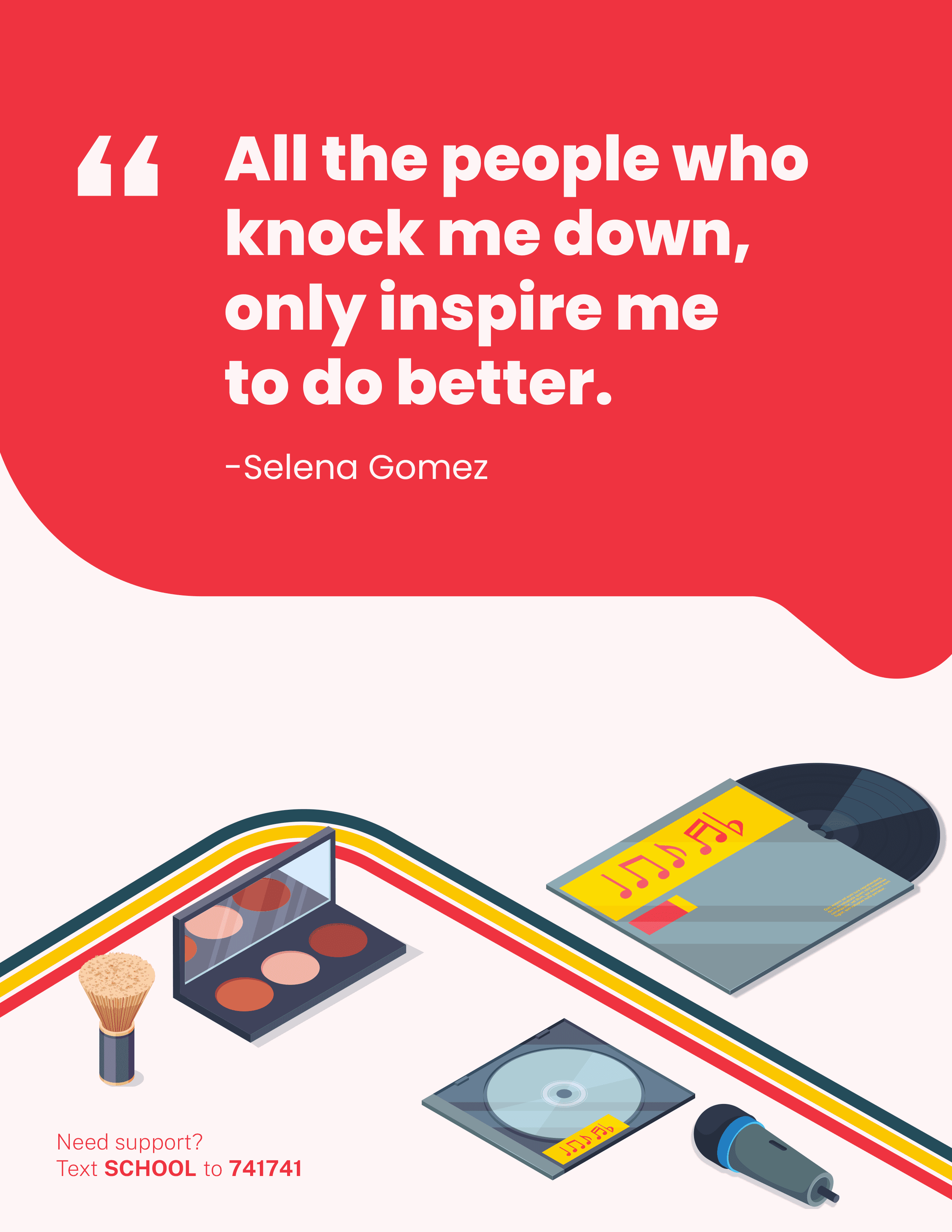
The shareable documents in Crisis Text Line’s Back-to-School Parent and Educator Toolkit, including posters, checklists, and informational sheets, were designed to enhance visibility, practicality, and engagement in supporting student mental health. Through bold visuals, clear messaging, and actionable information, these materials effectively convey critical mental health information in a user-friendly format.
Since their release, they have significantly raised awareness and engagement with mental health resources, providing practical support to parents and educators and fostering a more informed and supportive school environment. The positive feedback and widespread use of these documents underscore their effectiveness and the importance of thoughtful design in educational initiatives.


Promoting mental health with GIPHY sticker packs.
As part of our promotional efforts, we created a collection of custom-animated GIFs designed to engage students and raise awareness about mental health. Available on Giphy, these vibrant and relatable animations cover essential mental health themes, such as self-care and seeking support.
These GIFs are easy to share on social media, helping students spread important messages about mental health in a fun and accessible way, ultimately fostering a supportive online community.


Reaching out to those in need via social media.
We carried the campaign onto Crisis Text Line’s social channels, pointing students, parents and educators to the planner, the toolkit and the GIPHY stickers.
Every post led back to the same call to action as the posters: text SCHOOL to 741741 to reach a trained volunteer Crisis Counselor, free, 24/7 and confidential.


